E-commerce has changed dramatically over the past few years. What once started as simple online catalogs has now evolved into highly interactive digital experiences. Customers are no longer satisfied with browsing standard products and making quick purchases. They want involvement. They want control. Most importantly, they want products that feel uniquely theirs. This is where E-commerce Customization comes in. It is not just a feature you add to your store. It is a complete shift in how customers interact with your brand. Instead of selling fixed products, you allow customers to shape those products according to their preferences. This creates a stronger emotional connection and turns a simple transaction into an experience. Businesses that understand and implement E-commerce Customization are seeing significant improvements in engagement, conversions, and customer loyalty. At the same time, those who ignore it are slowly becoming less relevant in a market that is moving toward personalization at every level. In this guide, we will explore E-commerce Customization in depth, from its fundamentals to advanced strategies that can help you build a competitive advantage.
What is E-commerce Customization
E-commerce Customization refers to the process of allowing customers to personalize products before purchasing them online. Instead of choosing from a fixed set of options, customers can modify different aspects of a product to match their preferences. This could involve changing colors, adding personalized text, uploading images, selecting materials, or configuring different components of a product. The goal is to give customers creative control over what they are buying. The key difference between traditional e-commerce and customized e-commerce lies in participation. In a standard store, the customer selects from what is available. In a customized store, the customer actively contributes to creating the final product. This shift makes the buying process more engaging and meaningful. When customers feel involved in the creation process, they are more likely to value the product and complete the purchase.
Why E-commerce Customization is Growing Rapidly
The rise of E-commerce Customization is directly linked to changing consumer expectations. Today’s customers are exposed to personalized experiences across almost every digital platform they use. From streaming services to social media feeds, everything is tailored to individual preferences. Naturally, they expect the same level of personalization when shopping online. Another major factor is the emotional aspect of purchasing; people are drawn to products that reflect their identity. A personalized item feels more special than a generic one. It carries meaning, whether it is a custom gift, a personalized piece of clothing, or a product designed for a specific need. Competition in e-commerce is also increasing. Thousands of stores are selling similar products, often at similar prices. Customization provides a way to stand out without competing solely on price. When customers can create something unique, they are less likely to compare your product directly with others. Technological advancements have also played a significant role. Modern customization tools allow real-time previews, smooth interfaces, and seamless integration with online stores. This makes it easier than ever for businesses to offer customization without complex development.
Types of E-commerce Customization
E-commerce Customization can be implemented in several ways, depending on the nature of the product and the target audience.
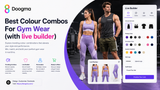
- Visual customization: One of the most common approaches; it allows customers to change colors, patterns, or design elements. This is widely used in apparel, footwear, and accessories.
- Text-based customization: Focuses on adding personalized messages, names, or engravings. This is particularly popular in gift items and jewelry.
- Image-based customization: Allows customers to upload their own photos or graphics. Commonly used for products like phone cases, mugs, and wall art.
- Product configuration: Goes a step further by allowing customers to choose structural elements such as size, material, or components. Often seen in furniture, electronics, and high-value products.
Each type of customization serves a different purpose, but they all contribute to creating a more engaging and personalized shopping experience.
Benefits of E-commerce Customization
One of the most significant advantages of E-commerce Customization is its impact on conversion rates. When customers interact with a product and personalize it, they spend more time on your website. This increased engagement naturally leads to higher chances of completing a purchase. Customization also has a strong effect on pricing. Customers are generally willing to pay more for products that are tailored to their preferences. This increases the average order value and improves overall revenue without necessarily increasing traffic. Another important benefit is customer satisfaction. When customers receive exactly what they envisioned, they are more likely to be satisfied with their purchase. This reduces returns and increases the likelihood of repeat business. Brand differentiation is another major advantage. In a crowded market, offering customization sets your store apart. It creates a unique selling proposition that is difficult for competitors to replicate quickly.
Best Products for E-commerce Customization
Not every product is suitable for customization, but certain categories perform exceptionally well.
- Fashion products: Clothing, shoes, and accessories are closely tied to personal identity.
- Gift items: Personalized gifts carry emotional value, making them more appealing than generic alternatives.
- Jewelry: Highly suitable for engraving or selecting specific designs.
- Home decor: Allows customers to create items that match their living space and personal style.
- Packaging and branding: Benefits businesses looking to create unique marketing materials.
How Customization Enhances Customer Experience
Customization transforms the shopping experience from passive to active. Instead of simply browsing products, customers engage with them. They experiment with different options, visualize outcomes, and feel a sense of control. This interaction creates a deeper connection between the customer and the product. It also reduces uncertainty, as customers can see exactly what they are getting before making a purchase. The more engaging the experience, the more likely customers are to stay on your site and complete their purchase. This makes customization not just a feature, but a powerful tool for improving user experience.
Challenges of E-commerce Customization
Despite its advantages, E-commerce Customization is not without challenges. One of the main difficulties is implementation. Setting up customization tools requires proper integration with your e-commerce platform and backend systems. Production can also become more complex. Customized products often require flexible manufacturing processes, which may not be easy to manage at scale. Customer expectations can be another challenge. When customers design their own products, they expect the final result to match their vision exactly. Any mismatch can lead to dissatisfaction. Costs can also increase, especially if customization is not optimized efficiently. However, with the right approach, these challenges can be managed effectively.
How to Implement E-commerce Customization
The first step is choosing the right customization software. It should be easy to use, integrate smoothly with your platform, and provide real-time previews. User experience should be a top priority. The customization process should be simple and intuitive, allowing customers to navigate options easily without confusion. Mobile optimization is essential, as a large portion of users shop on smartphones. Your production process must also be aligned with customization; you need systems in place to handle custom orders efficiently. Finally, continuous testing and improvement are necessary. Analyze customer behavior and refine the experience over time.
Future of E-commerce Customization
The future of E-commerce Customization is closely tied to advancements in technology. Artificial intelligence will play a major role in predicting customer preferences and offering personalized suggestions. Augmented reality will allow customers to visualize products in real-world environments before purchasing them. Hyper-personalization will take customization even further by tailoring entire shopping experiences to individual users. Sustainability will also become a key factor, with made-to-order products reducing waste and overproduction.
Final Thoughts
E-commerce Customization is not just a trend. It is becoming a standard expectation in online shopping. Customers want more control, more personalization, and more meaningful experiences. Businesses that embrace customization can create stronger connections with their customers, increase revenue, and stand out in a competitive market. The key is to implement it thoughtfully, focusing on user experience, operational efficiency, and continuous improvement. If done correctly, E-commerce Customization can transform your online store into a powerful platform for growth and customer engagement.
Frequently Asked Questions - E-commerce Customization
1. What is E-commerce Customization, and how does it work?E-commerce Customization allows customers to personalize products before purchasing them online. It works through interactive tools on a website where users can modify elements like color, text, images, or product features. Once the customization is complete, the final design is processed and produced according to the customer’s specifications.
2. Why is E-commerce Customization important for online stores?E-commerce Customization is important because it enhances customer experience and increases engagement. When customers can personalize products, they feel more connected to what they are buying, which leads to higher conversion rates, increased spending, and stronger brand loyalty.
3. What types of products can be customized in e-commerce?Many products can be customized, including clothing, accessories, gifts, jewelry, home decor, and even packaging. Any product that allows visual or functional variation can benefit from customization.
4. Does E-commerce Customization increase sales?Yes, E-commerce Customization often leads to higher sales. Customers are more likely to purchase products they have designed themselves and are usually willing to pay more for personalized items, which increases overall revenue.
5. What is the difference between product customization and product configuration?Product customization usually focuses on visual changes such as colors, text, or images. Product configuration goes deeper and involves selecting components, materials, or features that affect how the product functions.
6. What tools are used for E-commerce Customization?Businesses use product customization software or configurators that integrate with their online store. These tools allow customers to see real-time changes and preview their customized product before purchase.
7. Is E-commerce Customization suitable for small businesses?Yes, small businesses can benefit greatly from E-commerce Customization. It allows them to stand out in competitive markets and offer unique products without needing large inventories.
8. How does customization improve customer experience?Customization improves customer experience by making shopping interactive and personal. Customers enjoy being part of the creation process, which increases satisfaction and reduces the chances of disappointment after purchase.
9. Are there challenges in implementing E-commerce Customization?Yes, there can be challenges such as technical setup, managing production processes, and meeting customer expectations. However, with the right tools and planning, these challenges can be minimized.
10. What is the future of E-commerce Customization?The future of E-commerce Customization includes advanced technologies like artificial intelligence, augmented reality, and real-time personalization. These innovations will make customization faster, smarter, and more immersive for customers.