
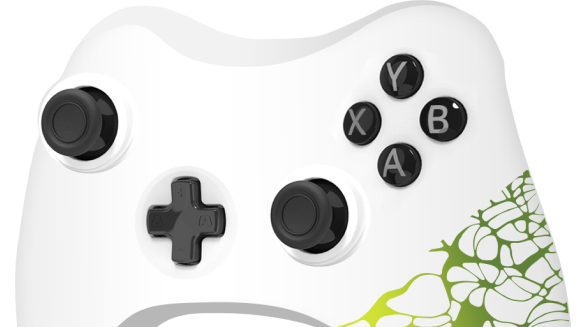
Creating a smooth buying experience is no longer optional. Customers expect control, clarity, and speed when exploring products online. This is where product configurator software becomes a central part of modern digital commerce. It allows businesses to offer interactive customization, helping users design products that match their exact needs while improving conversion rates and reducing friction.
Introduction to Product Configurator Software
Product configurator software is changing the way people shop online. Instead of selecting from limited options, customers can now personalize products in real time. This shift is helping businesses meet rising expectations while creating more engaging experiences. At its core, product configurator software allows users to build products step by step. Whether it is choosing colors, materials, features, or sizes, everything happens in an interactive environment. This not only improves satisfaction but also increases the chances of a completed purchase. Businesses that adopt product configurator software are seeing measurable improvements in engagement, conversions, and customer loyalty.
Why Product Configurator Software Matters Today
Modern buyers want more than just products. They want experiences. Product configurator software bridges this gap by giving users the ability to participate in the creation process. This is especially important in competitive markets where differentiation is key. Offering customization through product configurator software helps brands stand out and create memorable interactions. Another important factor is transparency. Customers can see exactly what they are getting and how much it costs, which builds trust and reduces hesitation.
How Product Configurator Software Works
Product configurator software operates through a combination of logic, design, and real time updates. When a user selects an option, the system processes that input and instantly updates the product display and pricing. Behind the scenes, rule based systems ensure that only valid combinations are allowed. For example, certain materials may only be available in specific sizes. Product configurator software prevents invalid selections automatically. The result is a smooth and error free experience that benefits both the customer and the business.
Key Features of Product Configurator Software
A strong product configurator software solution includes several essential features that make customization simple and effective:
- Real time visualization: Allows users to see changes instantly through images or advanced 3D models.
- Dynamic pricing updates: Ensure that users always know how their choices affect the final cost.
- Rule based logic: Prevents errors by restricting invalid combinations.
- Integration capabilities: Allow product configurator software to connect with ecommerce platforms, inventory systems, and customer databases.
- Mobile responsiveness: Ensures that the configurator works smoothly on all devices.
Benefits of Product Configurator Software for Businesses
One of the biggest advantages of product configurator software is increased conversion rates. When customers can visualize their customized product, they are more likely to complete their purchase. It also reduces operational errors. Manual customization processes can lead to mistakes, but product configurator software automates these workflows and ensures accuracy. Another benefit is reduced returns. Customers know exactly what they are ordering, which lowers the chances of dissatisfaction. Businesses also gain valuable insights from user interactions, which can be used to improve products and marketing strategies.
Benefits of Product Configurator Software for Customers
From the customer perspective, product configurator software makes the buying process more enjoyable and intuitive. It gives users control over their purchases. Instead of choosing from fixed options, they can create products that match their preferences. It also simplifies complex decisions by breaking down customization into easy steps, making it less overwhelming. Transparency is another major advantage, as customers can see pricing and product changes in real time.
Industries Using Product Configurator Software
Product configurator software is widely used across different industries:
- Furniture: Customers can customize dimensions, materials, and finishes to suit their space.
- Automotive: Buyers can design vehicles with specific features and styles.
- Fashion: Brands offer personalized clothing options using product configurator software.
- Manufacturing: Companies handle complex products with multiple components, ensuring accuracy in orders.
Role of 3D and Visualization in Product Configurator Software
Advanced product configurator software often includes 3D visualization features. These allow users to explore products from different angles and see fine details. This improves confidence in purchasing decisions and reduces uncertainty. Some solutions also include augmented reality, allowing users to place products in real world environments. This creates a more immersive experience.
Challenges in Implementing Product Configurator Software
While product configurator software offers many benefits, it also comes with challenges. One common issue is complexity; products with many options can be difficult to configure. The solution is to design simple and intuitive user interfaces. Another challenge is integration, as businesses need to ensure that product configurator software works seamlessly with existing systems. Performance can also be a concern, as fast loading times and smooth interactions are essential for maintaining user engagement.
How to Choose the Right Product Configurator Software
Choosing the right product configurator software depends on several factors:
- Ease of use: Both customers and internal teams should find the system simple to navigate.
- Customization capabilities: Should match the needs of your products.
- Scalability: The software should handle increasing complexity over time for growing businesses.
- Integration options: Should align with your existing tools and platforms.
- Support and updates: Key considerations when selecting a provider.
Best Practices for Using Product Configurator Software
To get the most out of product configurator software, businesses should follow a few best practices:
- Keep the interface simple and user friendly.
- Provide clear visuals and real time feedback.
- Optimize for mobile devices.
- Use analytics to understand user behavior and improve the experience.
- Continuously update the configurator based on customer feedback.
Future of Product Configurator Software
The future of product configurator software looks promising. As technology evolves, we can expect even more advanced features and capabilities. Artificial intelligence will play a bigger role in guiding users and suggesting options. Augmented reality and virtual reality will become more common, creating immersive shopping experiences. Integration with other digital tools will continue to improve, making product configurator software an essential part of modern ecommerce.
How Platforms Like Doogma Support Product Configurator Software
There are platforms available that simplify the process of implementing product configurator software. One example is Doogma, which provides tools for creating interactive and visually engaging configurators. Solutions like Doogma focus on ease of use, allowing businesses to build customization experiences without needing extensive technical expertise. This makes product configurator software more accessible to companies of all sizes.
Conclusion
Product configurator software is transforming the way businesses sell and customers buy. It combines personalization, transparency, and interactivity into a single experience that meets modern expectations. By adopting product configurator software, businesses can improve conversions, reduce errors, and create stronger connections with their customers. As technology continues to evolve, product configurator software will play an even bigger role in shaping the future of ecommerce. Companies that invest in it today are positioning themselves for long term success in an increasingly competitive market.
FAQs About Product Configurator Software
1. What is product configurator software?
Product configurator software is a digital tool that allows customers to customize products in real time by selecting features like size, color, materials, and add ons. It updates visuals and pricing instantly based on user choices.
2. How does product configurator software work?
Product configurator software uses rule based logic to guide users through available options. As selections are made, the system updates the product display and pricing while preventing invalid combinations.
3. What are the benefits of product configurator software?
Product configurator software helps increase conversions, reduce errors, improve customer experience, and lower return rates by giving users a clear and interactive way to customize products.
4. Which industries use product configurator software?
Product configurator software is used in industries like furniture, automotive, fashion, manufacturing, and ecommerce where customization plays a key role in the buying process.
5. Does product configurator software increase sales?
Yes, product configurator software can increase sales by improving engagement and helping customers visualize their final product, which leads to more confident purchasing decisions.
6. Is product configurator software suitable for small businesses?
Product configurator software is suitable for businesses of all sizes. Many solutions are scalable and easy to implement, making them accessible for small and growing companies.
7. Can product configurator software integrate with ecommerce platforms?
Most product configurator software solutions can integrate with ecommerce platforms, CRM systems, and inventory tools to ensure a smooth and connected workflow.
8. What features should I look for in product configurator software?
Key features to look for in product configurator software include real time visualization, dynamic pricing, rule based configuration, mobile compatibility, and integration capabilities.
9. Does product configurator software support 3D visualization?
Many advanced product configurator software solutions offer 3D visualization, allowing users to view products from different angles and get a better understanding of the final result.
10. How much does product configurator software cost?
The cost of product configurator software varies depending on features, complexity, and provider. Some platforms offer flexible pricing based on business size and requirements.